



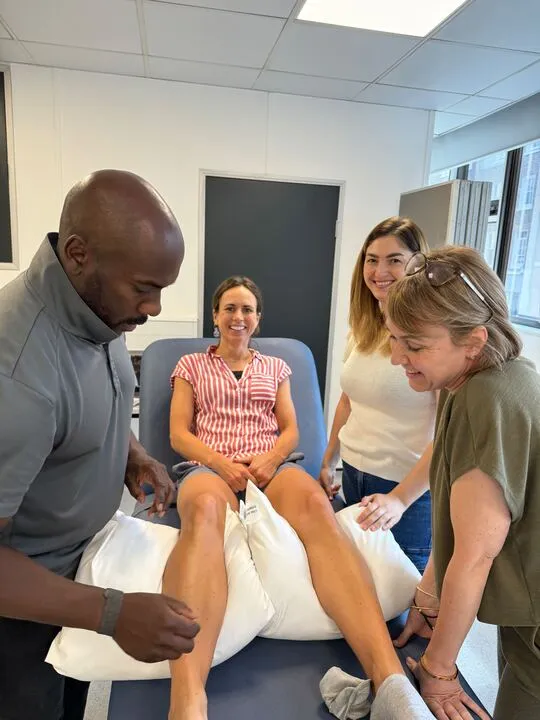
Acupuncture

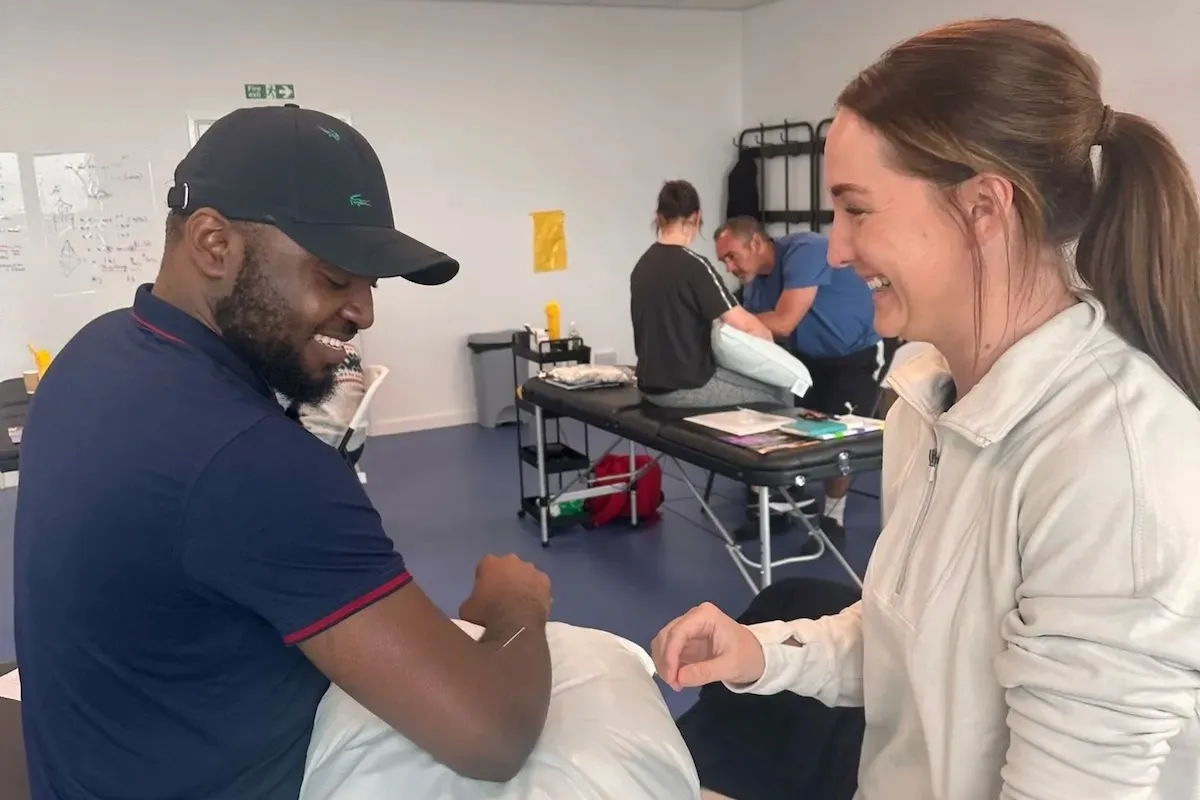


Acupuncture
Breeze Academy
24 June 2022
Updated: November 2025
Acupuncture is becoming increasingly popular in both healthcare and private practice, but safety is often the first question people ask — especially if they’re new to needling.
The short answer is yes: acupuncture is considered very safe when performed by a properly trained professional using sterile, single-use needles and appropriate screening. Most side effects are mild and short-lived, and serious complications are extremely rare.
People often have questions about risks, cleanliness, and whether certain health conditions mean acupuncture isn’t suitable. These are valid concerns, and in most cases, they can be addressed through good technique, proper hygiene, and a clear understanding of contraindications.
In this guide, we’ll look at what the evidence says about acupuncture safety, the mild effects you might notice, the rare risks to be aware of, and the situations where acupuncture should be used with caution or avoided altogether.
When acupuncture is delivered by a trained, competent practitioner, it is regarded as a very safe treatment. Most of the risks people worry about — infection, incorrect needling depth, or significant bruising — are extremely rare and largely avoided through proper hygiene, good technique, and clear client screening.
Modern acupuncture uses sterile, single-use needles, strict infection-control procedures, and evidence-informed clinical reasoning. This means the chances of developing an infection or experiencing a serious adverse event are exceptionally low.
Safety also depends on the clinician’s ability to assess each client individually. A responsible practitioner will consider your medical history, medications, and any contraindications before deciding whether acupuncture is appropriate, or if an alternative treatment would be better.
In practice, most people experience nothing more than mild, short-lived effects such as light soreness, a small bruise, or a feeling of deep relaxation after treatment — all normal and expected responses.
Most people tolerate acupuncture very well, and any side effects tend to be mild, short-lived, and completely normal. These responses are usually a sign that the body is reacting to treatment in a predictable way.
You may notice:
These sensations typically settle within a few hours. They don’t require any specific aftercare, although gentle movement, staying hydrated, and avoiding very intense exercise immediately afterwards can help you feel more comfortable.
If you’ve never had acupuncture before, these mild effects often disappear after the first one or two sessions as your body becomes more familiar with treatment.
Serious complications from acupuncture are extremely rare, especially when treatment is carried out by a properly trained practitioner using sterile, single-use needles. Most risks can be avoided entirely through good technique, appropriate needle depth, and thorough client screening.
Although uncommon, the following risks can occur:
These risks remain very unlikely in the hands of a competent clinician. If anything doesn’t feel right during treatment, a good practitioner will pause, reassess, and adjust their approach to keep you comfortable and safe.
Acupuncture is safe for most people, but there are situations where it should be avoided or adapted. A trained practitioner will screen for these before treatment begins, making sure acupuncture is the right option — or recommending an alternative if needed.
To keep things simple, contraindications fall into three groups: absolute, relative, and situations where treatment should be delayed.
These are situations where acupuncture should not be performed.
These cases are rare in practice, but they’re essential to screen for before treatment.
These don’t rule out acupuncture completely, but treatment should be adapted or approached with caution.
A competent practitioner will weigh up the benefits, modify their technique, or recommend alternative treatments where necessary.
Temporary situations where acupuncture should be postponed until resolved.
In many cases, treatment can resume safely once symptoms settle.
Sometimes acupuncture may still be helpful, but only after medical review.
Good practitioners don’t simply adjust treatment — they know when referral is necessary.
Even when acupuncture is suitable, a few situations call for extra care. These aren’t contraindications, but they influence how treatment is delivered to ensure comfort and safety.
Practitioners may take additional precautions if a client:
Good practice isn’t just about avoiding risks — it’s about making sure treatment is tailored to the individual, keeps them comfortable, and supports the intended outcome.
Most of the safety of acupuncture comes down to the practitioner — their training, their technique, and the steps they take before and during treatment. When these foundations are in place, acupuncture becomes an extremely safe and predictable intervention.
A responsible practitioner will:
These points offer a simple overview of the principles that make acupuncture safe in practice — but they’re only the starting point. Safe needling, clinical reasoning, and risk management are topics we explore in far more depth on our acupuncture and dry needling training courses, where practitioners learn how to apply these principles confidently with real clients.
Many people choose acupuncture because they want a treatment option with fewer side effects than medication. While it isn’t a like-for-like replacement, acupuncture is generally considered a low-risk intervention — especially when compared with common pain medications such as NSAIDs, which can cause stomach irritation, dizziness, or other systemic effects.
Acupuncture works locally and does not involve any drugs, meaning it avoids many of the whole-body side effects associated with medication. For people who cannot tolerate certain painkillers, or who prefer a more hands-on approach to managing symptoms, acupuncture can be a useful complement.
That said, it’s not a case of one being universally “safer” than the other. For some conditions, medication may be the more appropriate first-line treatment. In other cases, acupuncture offers a gentler alternative that supports recovery without adding to someone’s medication load. A trained practitioner will always help you decide which approach — or combination — is the most suitable for your situation.
Acupuncture is effective for a wide range of presentations, but it isn’t always the most suitable first option. Sometimes another approach will offer faster results, better comfort, or a safer pathway depending on the client’s symptoms and overall health.
You may be advised to consider an alternative treatment if:
Alternative treatments might include sports massage, myofascial techniques, exercise-based rehab, stretching, or clinical advice. A well-trained practitioner won’t “push” acupuncture if it isn’t the best fit — they’ll adapt the session, blend techniques, or guide you toward the most appropriate option.
Ultimately, good practice is about choosing what serves the client best, not what fits a particular method.
Acupuncture is widely regarded as a safe, effective treatment when carried out by a trained professional. Most people experience only mild, short-lived effects, and serious complications are exceptionally rare. The real key to safety lies in good clinical judgement: proper screening, sterile technique, appropriate point selection, and treatment that’s tailored to the individual.
Whether you’re considering acupuncture for yourself or looking to integrate it into your clinical practice, understanding the principles that keep treatment safe is essential. When those foundations are in place, acupuncture becomes a gentle, reliable way to support pain management, mobility, recovery, and overall wellbeing.
If you’re a healthcare or hands-on therapy professional interested in learning how to deliver acupuncture safely and confidently, our acupuncture training courses cover all aspects of safe needling, clinical reasoning, and risk management in far more depth. You can explore our full range of acupuncture and dry needling courses on our website, or get in touch if you’d like guidance on the best starting point for your background.