Whether you are just embarking on your journey into soft tissue therapy or you’re a seasoned pro looking to sharpen your skills, having a robust set of modalities is the foundation of any successful treatment. At Breeze Academy, we believe that understanding the why behind the what is key to delivering results for your clients. In this guide, we’ll break down the essential sports massage techniques discussed in our latest podcast, ensuring you have the tools to tackle everything from pre-event stimulation to post-training recovery.
The Foundation: Effleurage
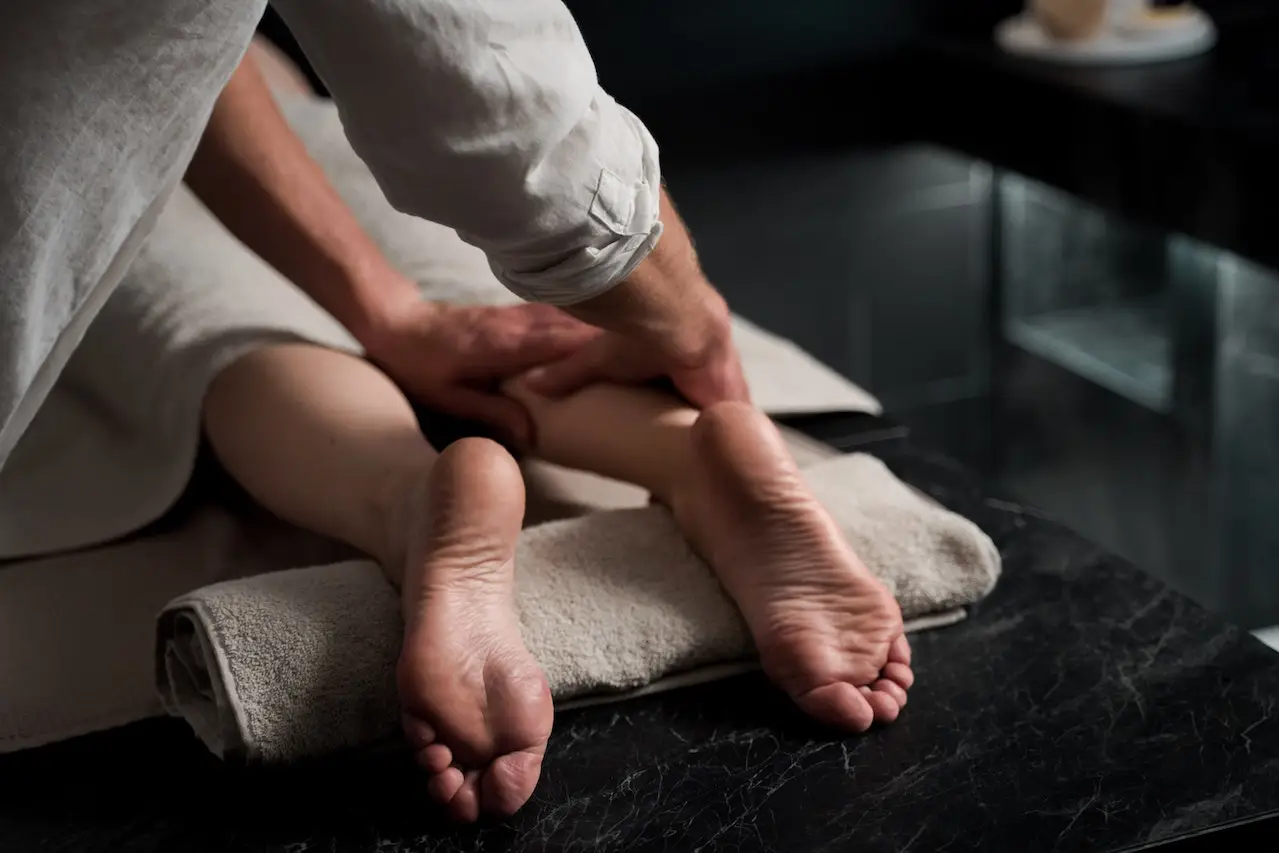
Every great session starts and ends with effleurage. This is a vital technique used to warm up the tissues and apply massage oil, but it serves a much deeper purpose as well. By using smooth, slow strokes with moderate depth, you are essentially “feeling” the tissue, getting a sense of its consistency and identifying areas that might need more attention later on.
When performing effleurage, we typically work in a distal to proximal direction. On a large muscle group like the quadriceps, you want to start with easy strokes through the muscle belly. As the tissue begins to warm, you can vary the technique by going slower and slightly deeper. A great tip for reaching deeper areas, such as the adductors, is to place the muscle on a slight stretch while continuing those same smooth strokes.
Going Deeper with Petrissage
Once the initial warm-up is complete, we move into petrissage. These techniques are designed to manipulate the muscle fibres and soft tissues more deeply, improving circulation and addressing adhesions or tighter tissues.
Petrissage isn’t just one move; it’s a variety of approaches:
- Kneading: You can use the palm of your hand for broader areas, or transition to the thumbs or knuckles for more specific, localised spots of tightness.
- Lifting: Techniques like picking up and wringing focus on lifting the muscle bellies away from the bone rather than just compressing them.
- Ironing: This involves compressing and lengthening the muscle fibres. You can do this as a free movement or as a “pin and stretch,” where you fix one portion of the muscle belly and stretch away from it to achieve a deeper release.
Tackling the “Naughty Bands”: Frictions
When you identify those specific “naughty” bands of tight muscle, frictions are your go-to tool. This technique involves moving the tissues transversely—manipulating across the muscle fibres. It acts as a localised form of ringing that helps to lengthen, relax, and release specific areas of tension.
Waking Up the System: Tapotement
If your client is getting ready for action, you need tapotement. These techniques are high-tempo and designed to stimulate the nervous system and wake the body up.
- Cupping (or Clapping): Using the edge of the hands to trap air. You should hear a distinct “cup” sound rather than a “slap”.
- Hacking: Using the ulnar border of the hand with relaxed wrists.
- Pounding and Beating: Using a relaxed fist or knuckles to apply rhythmic, stimulating pressure.