
General
Acupuncture
The Clinician’s Master List: 8 “Super Duper” Acupuncture Points for Every Practice
13 Jul 2026
Acupuncture
Reclaiming Your Month: A Guide to Managing Period Pain with Acupuncture and Acupressure
13 Jul 2026
General
Breeze Academy
13 July 2026
As therapists—whether you are a physio, chiro, osteo, or sports therapist—we often focus heavily on getting new patients through the door. However, at Breeze Academy, where we teach thousands of therapists every year, we’ve found that the real growth happens when you stop the “leak” in your practice.
If you find that clients are “tapping out” after a few sessions, it’s rarely because you’re a “rubbish therapist”. More often, it’s a failure in communication, process, or expectation management. Here are ten reasons why clients stop coming back and how you can fix them today.
One of the biggest mistakes is being vague about how long recovery will take. Many therapists fear that telling a client they need nine sessions or two months of treatment will scare them away. In reality, being honest from day one builds trust. When you “set your stall out” early, the client understands that if they aren’t “instantly better” after session two, it’s part of the predicted path you already discussed.
Focusing exclusively on long-term goals can lead to client boredom. While you work toward that distant recovery point, you must provide incremental benefits. Manual therapies, such as massage or acupuncture, are excellent for this because they offer “almost instant benefits”. These short-term wins prove your competence and encourage the client to “buy into” the longer-term, often more difficult, home exercise plans.
Being one-dimensional is a major retention killer. If you only offer one service—like basic sports massage—your clients may eventually move to a clinic down the road that offers a “multi-dimensional” approach, including assessment, acupuncture, or Pilates. Even if you are an expert in your niche, clients value the convenience of having multiple tools available in one place.
Sometimes a client is getting better, but they don’t realise it. To prevent them from leaving, use outcome measures. Tracking pain intensity, duration, sleep, and mood allows you to show them data-driven proof: “This is where you were before, and this is where you are now”. Visualizing this change is a powerful motivator for them to return.
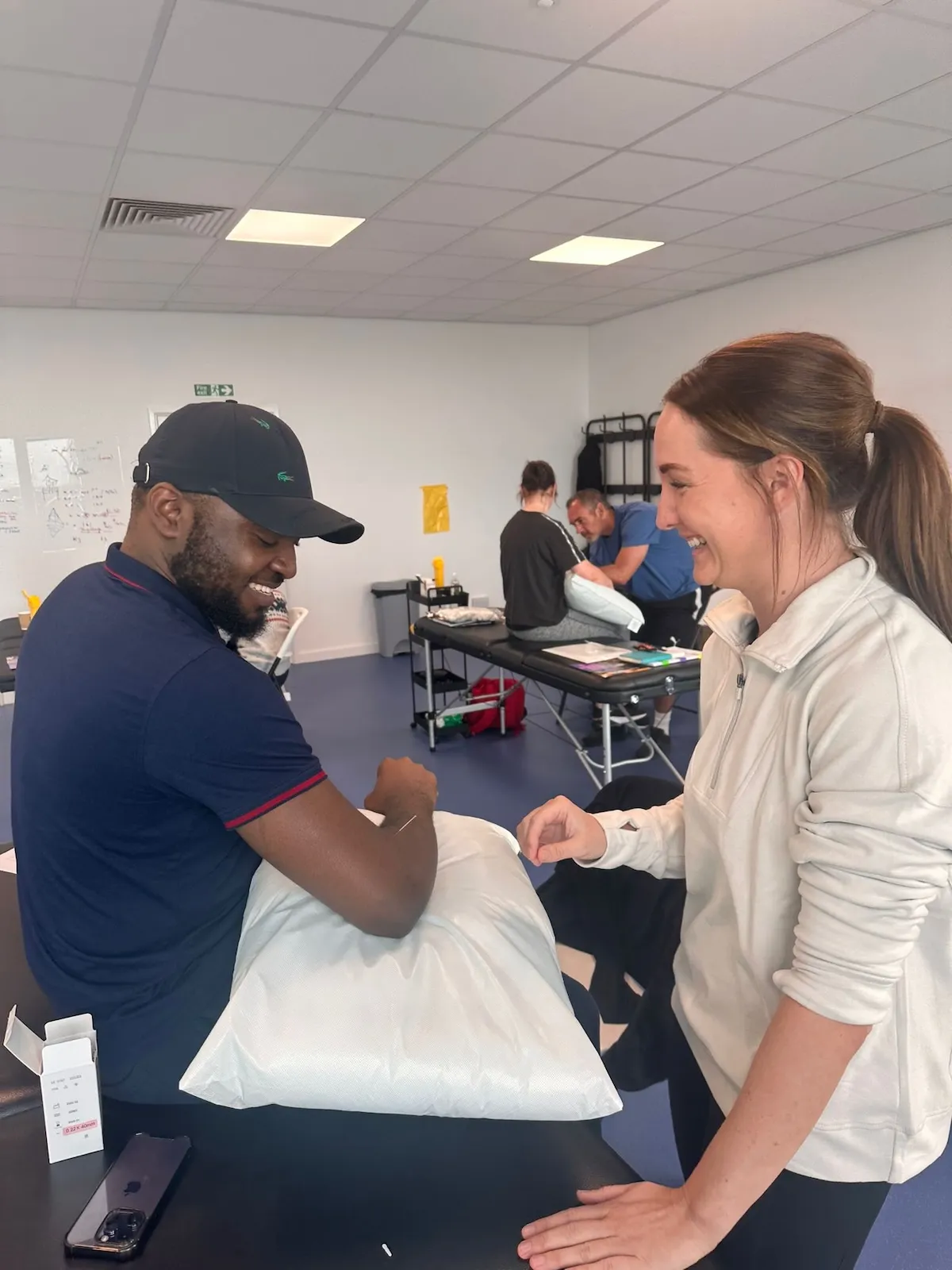
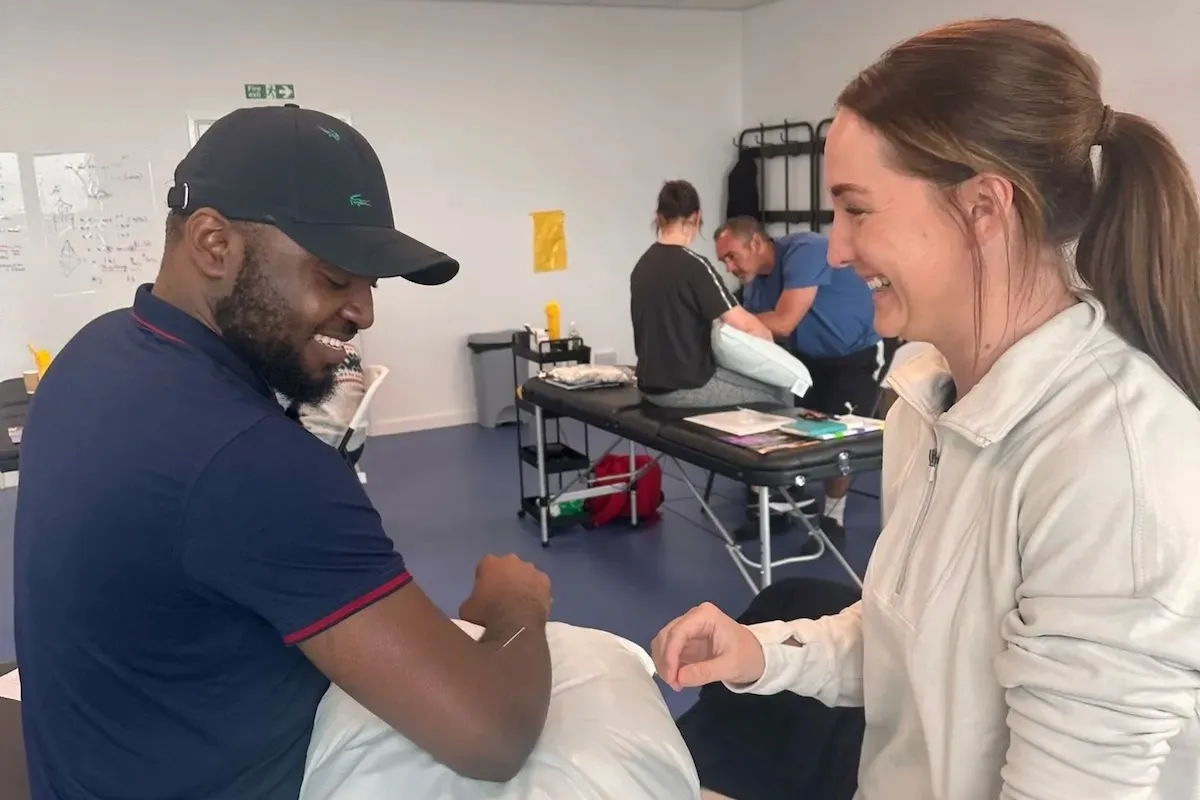
If you practice acupuncture, never leave your client alone in the room for the entire duration of the treatment. While some enjoy the quiet, many value the therapeutic benefit of “chitchat” and education while the needles are in. At a minimum, perform “five-minute check-ins” to stimulate the needles and ensure the patient feels cared for rather than forgotten.
Ironically, being a great therapist can lose you clients if you don’t plan for their post-recovery phase. Don’t wait until the final session to talk about the future. Two sessions before discharge, start “dropping the seed” about maintenance, prevention, or moving into clinical yoga or Pilates. This transitions them from a “patient with a problem” to a “client for life.”
Retention often comes down to “extra care”. An unexpected gift isn’t a cheap pen with your logo; it’s a thoughtful gesture. This could be as simple as a free coffee from a pod machine, a bottle of water for the road, or a small sample of the massage wax you used during the session. These small, low-cost acts leave a lasting impression.
Specifically in acupuncture, clients stop coming if the “novelty” wears off and the results diminish because the therapist has become “blasé” or lazy with technique. If you aren’t stimulating needles properly or placing them accurately, you won’t get the same clinical effect. Maintaining high technical standards is essential to giving clients a compelling reason to return.
If a client has to call you or wait for a callback to book, they might not bother. You must make it dead simple with integrated booking links on your website and social media. Furthermore, move away from session-by-session booking. Instead, offer four to six-session blocks. This removes the weekly “do I want to book again?” hurdle and allows you to prioritize these committed clients in your schedule.
Every session should be anchored to the “Big Goal” the client established at the very beginning. Remind them why they came to see you and how your expertise is the bridge to that goal. By discussing the Big Goal and “mini-goals” (like improved range of movement) at every visit, you keep the value of your sessions front and centre.
Ready to level up your clinic?
Implementing even a few of these strategies can drastically change your retention rates. If you want to expand your toolkit and move away from being a “one-dimensional” therapist, check out the courses available at our website.
When dry needling releases muscle tightness, tension, and trigger points, it also helps to improve or restore range of motion. In turn, this has a knock-on effect of improving overall function and reducing general discomfort.
Recovering from some injuries can take months, which can be a particular problem for athletes and those with active lifestyles. However, dry needling has the potential to speed up recovery and help clients get back to normal function, this may be a result of the muscle relaxing, but may also be in response to increased blood flow which delivers essential oxygen and nutrients to the injured area.
After treatment, there are a few things that clients can do to both reduce the onset of expected aches and pains (akin to DOMS), and to help prolong dry needling benefits(5). These include:
Dry needling benefits will last for several days after a single session, and clients may receive instant relief from that initial session, but results may last for longer with multiple sessions. Once clients have reduced pain and increased range of movement, it’s time to address the underlying causes of the problem, be that overuse, poor posture or altered movement patterns. Dealing with the cause of the trigger points will help to ensure that the problem does not re-occur, view Dry Needling as a technique to “let you in” and facilitate longer term recovery.
Acupuncture
13 Jul 2026
Acupuncture
13 Jul 2026