

General

Acupuncture
The Clinician’s Master List: 8 “Super Duper” Acupuncture Points for Every Practice
13 Jul 2026
General
Breeze Academy
29 September 2026
We’ve all been there. You’re standing over a patient, needle in hand, and suddenly your mind starts racing: “What if I hurt them? What if I cause some kind of horrendous, permanent damage?”. If you are feeling those first-needle jitters, you aren’t alone. In fact, many of the most experienced practitioners today started their journey with that exact same sense of apprehension.
This post by Dr Carl Clarkson draws on years of clinical experience and teaching to help you navigate those early days, offering a roadmap for how to transition from a nervous beginner to a confident, effective practitioner.
The First-Time Fear: You’re Not Alone
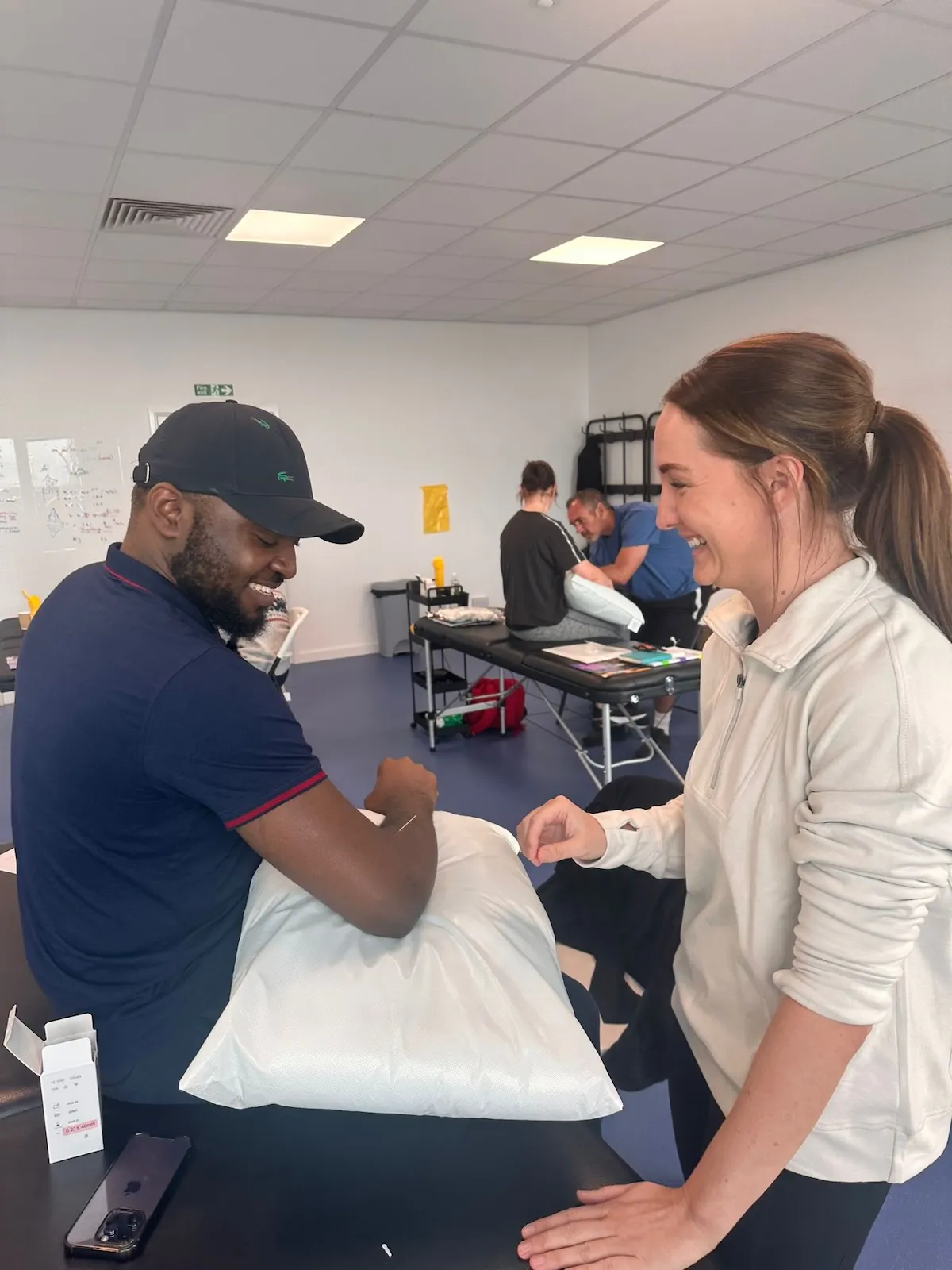
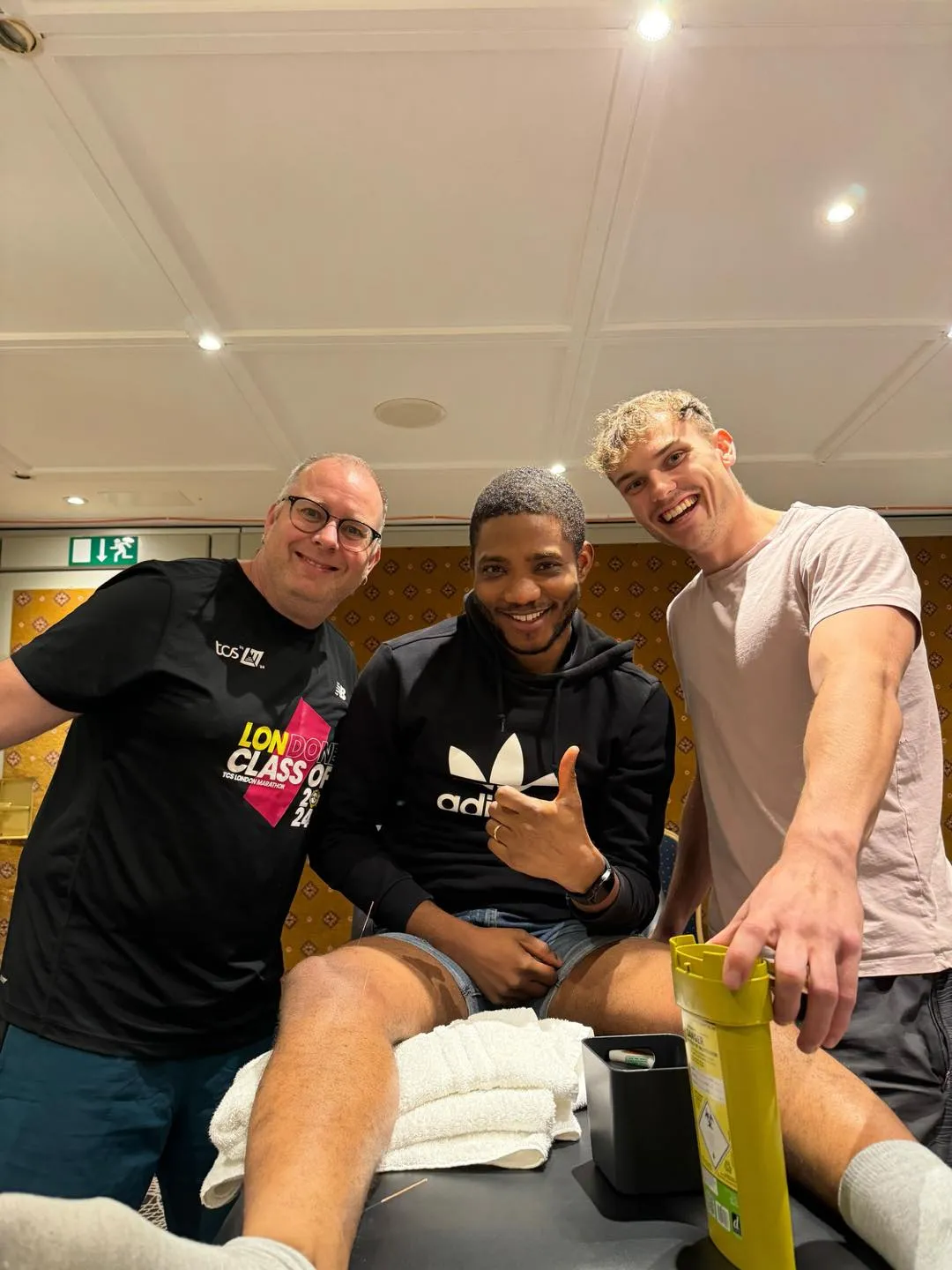
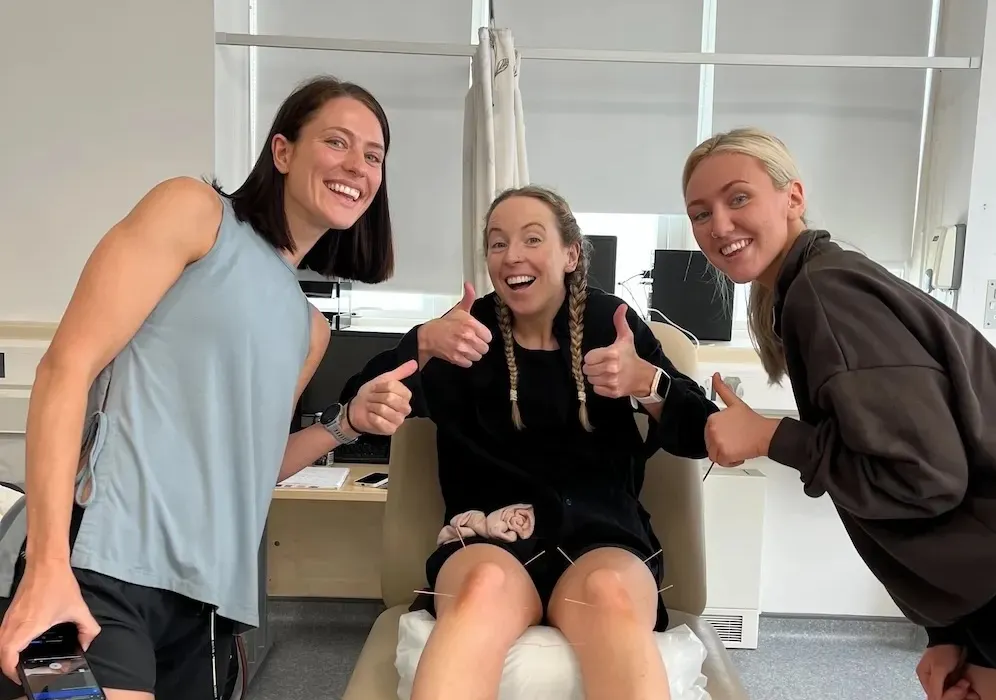
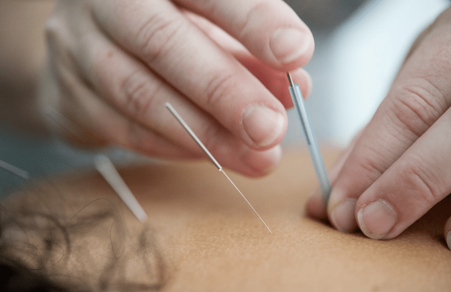
It is perfectly normal to feel that sticking a needle into someone is a bit “weird” if you have never done it before. Carl, a physiotherapist by background, vividly recalls the first time he attempted to insert a needle into a peer’s hand—specifically the Large Intestine 4 point. He was so nervous that the “tap” wasn’t good enough, and the needle simply wouldn’t go in.
The turning point often comes from a simple realisation or a settling word from a mentor. For Carl, it was a colleague who simply said, “Just stick it in, nothing bad’s going to happen”. Once that first needle is successfully placed, the mystery often evaporates, and you realise: “This is okay. This is not so bad”.
Why Start Now? Fast-Tracking Your MSK Career
In the early stages of a healthcare career—whether you are a physio, osteopath, chiropractor, or nurse—the market can feel crowded. Many practitioners have high aspirations, such as working for professional sports teams. To reach those goals, you need to find ways to “stand out from the crowd” and make yourself useful to a department.
Learning acupuncture and dry needling is one of the most effective ways to “fast-track” your journey into musculoskeletal (MSK) therapy. It provides you with an extra tool that complements your existing skills, helping you evolve your clinical reasoning and treatment protocols early on. The advice for those at the end of their degree or just starting their career is clear: do it as early as possible to give yourself a competitive edge and a more versatile toolkit.
Addressing the Safety Concern: “What If I Hurt Someone?”
The most common fear for beginners is the worry that they will cause serious harm. However, when you look at the anatomy of where you typically start learning—the arms and the legs—the risks are remarkably low.
A great way to reassure yourself is to ask: “How many internal organs are in your arm?”. The answer, of course, is none. When you are needling the limbs, there are no vital structures that you are going to cause permanent, serious damage to. While the trunk and torso require more specific care and training, the limbs are a safe zone for building your confidence. Acupuncture has been performed for a very long time; as long as you follow your training, you are not going to cause major damage.
The Common Mistake: The Dosage Dilemma
Once you overcome the fear of the needle itself, the next hurdle is “dosage”. A common mistake among both new and even some experienced practitioners is being too hesitant with the treatment.
If you were prescribing exercise, you wouldn’t just “tickle around the outsides” of a muscle and expect a massive result; you would give a dose that actually works the joint or muscle. Acupuncture is the same. To see dramatic changes in symptoms, you must be willing to provide an optimal dose. This means:
Pairing back the treatment out of nervousness often leads to less effective results, which can discourage both the patient and the practitioner.
Modern Training: Online Theory and Intensive Workshops
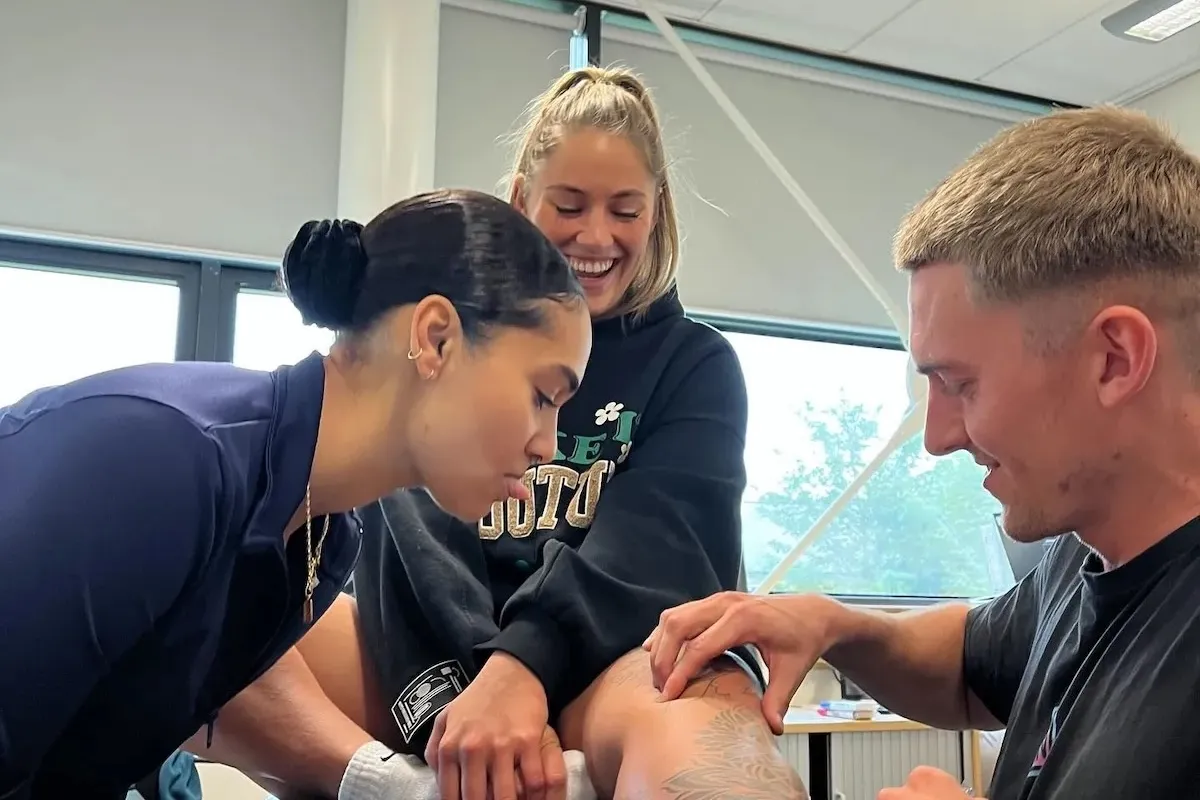
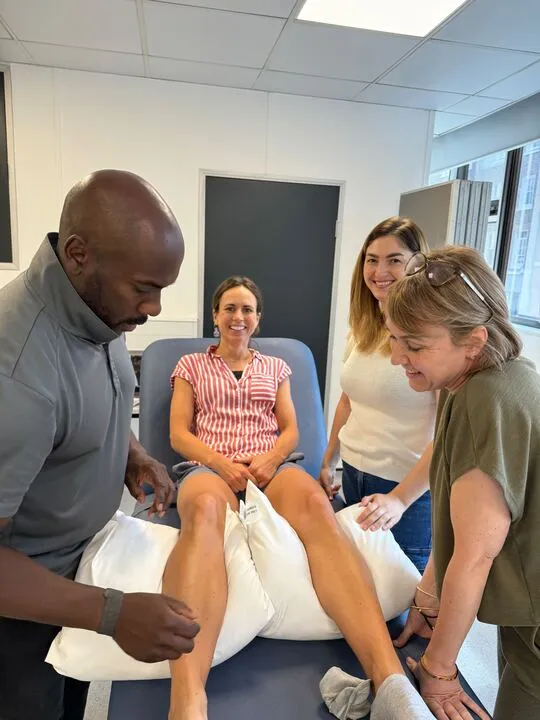
The way we learn acupuncture has evolved. In the past, training might have been spread over several weekends with no digital support. Today, practitioners can utilise intensive three-day workshops paired with comprehensive online learning.
Before you even pick up a needle, you should focus on the “safety stuff”—the theoretical background, contraindications, and precautions. Accessing demo videos can also help ease nerves by showing you exactly how the process should look before you attempt it yourself.
Final Thoughts for the New Practitioner
If you are currently waiting to start your first course or are just curious about the field, remember that everyone starts at the same baseline of apprehension. The key is to lean into the resources available to you. Engage with tutors, watch demonstration videos, and don’t be afraid to ask questions.
Acupuncture is a skill that will stand you in good stead throughout your career, regardless of your specific medical background. By starting early, focusing on proper dosage, and understanding the inherent safety of the procedure, you can move past your nerves and start delivering the dramatic results your patients need.
Acupuncture
13 Jul 2026